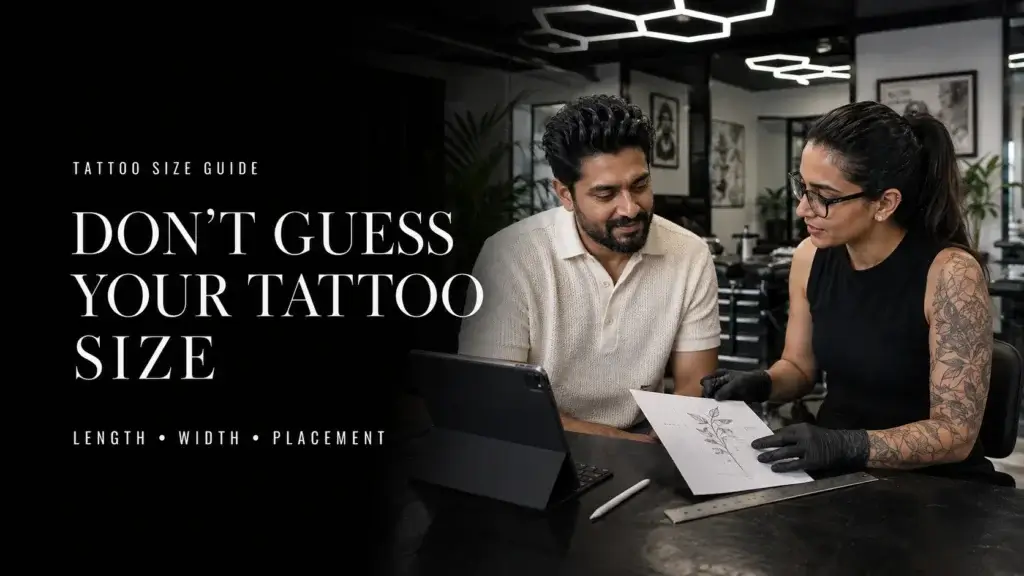
A tattoo can look perfect on your phone and feel completely different when you see its actual size on your arm. Before asking for a quote, take one simple step: measure the space you have in mind in two directions, not just one.
This guide explains how to measure tattoo size, what inches and square inches mean, and what to bring to a consultation at Apex Tattooz in Delhi. Your measurements are a starting point—not a substitute for checking the design on your body with an artist.
The quick answer: measure height and width
Write your proposed tattoo size as height × width, with the unit clearly stated. For example: “approximately 4 inches tall × 2 inches wide, on the outer forearm.” This tells a studio much more than “a 4-inch tattoo.”
One inch is exactly 2.54 centimetres. If your ruler shows centimetres, you can send those measurements instead. Keep both dimensions in the same unit.
How to measure tattoo size at home
- Choose the placement. Decide whether you mean the inner forearm, outer forearm, upper arm or another specific area. Similar-sized designs can sit differently on different body areas.
- Make a paper outline. Draw a simple shape on plain paper to represent the space you want the tattoo to occupy. You do not need to draw the final artwork.
- Measure its longest height and widest width. Use a ruler on the paper. Write down both measurements, including the unit.
- Hold the paper against the placement. Look in a mirror with your body relaxed. Then change position gently to see how the shape relates to the surrounding area. Do not treat a screen-sized image as a reliable scale.
- Compare a second size. Try a slightly larger paper outline. Ask yourself whether you prefer a discreet piece or a design with more room for its important details.
- Bring the measurements and reference. The consultation should confirm the size, orientation and composition together before tattooing begins.
A flat paper outline helps you explain an idea. It cannot reproduce the way a finished design wraps around an arm or shoulder. For a wraparound piece, ask the artist to assess the area in person rather than forcing it into a flat rectangle.
Inches and square inches are not the same thing
Inches describe length. Square inches describe area. A design described only as “4 inches” still has an unknown width.
- 4 inches tall × 2 inches wide gives an 8-square-inch bounding rectangle.
- 4 inches tall × 4 inches wide gives a 16-square-inch bounding rectangle.
- 6 inches tall × 3 inches wide gives an 18-square-inch bounding rectangle.
These are measurement examples, not tattoo prices or recommended sizes. The rectangle also includes any empty space around an irregular design. Ask the studio how it measures and quotes your particular artwork; do not assume that multiplying two numbers produces the final bill.
For budget planning, see our tattoo pricing information for Delhi and request a quote for your actual design, placement and dimensions.
Why the same size does not suit every design
A simple outline and a detailed portrait ask different things of the available space. Measuring tells you how much room you are considering. It does not tell you whether every feature in your reference can fit clearly inside it.
Portraits and realism
For a portrait, discuss which features must remain recognisable and which background elements matter. Do not choose the smallest size first and expect every detail to fit unchanged. The artist may recommend simplifying the composition or increasing the space. Our portrait and realism artist page is a useful place to start comparing work before a consultation.
Flowers, lettering and small designs
For floral work, consider the whole arrangement: petals, stems, leaves and the spaces between them. For lettering, share the exact words rather than only a sample font. A longer phrase changes the layout even when your preferred height stays the same.
Detailed black-and-grey pieces
Look at the relationship between the main subject and its supporting shading. A reference may need to be recomposed for a narrower placement rather than simply reduced. Our black-and-grey realism design guide explains the broader style considerations.
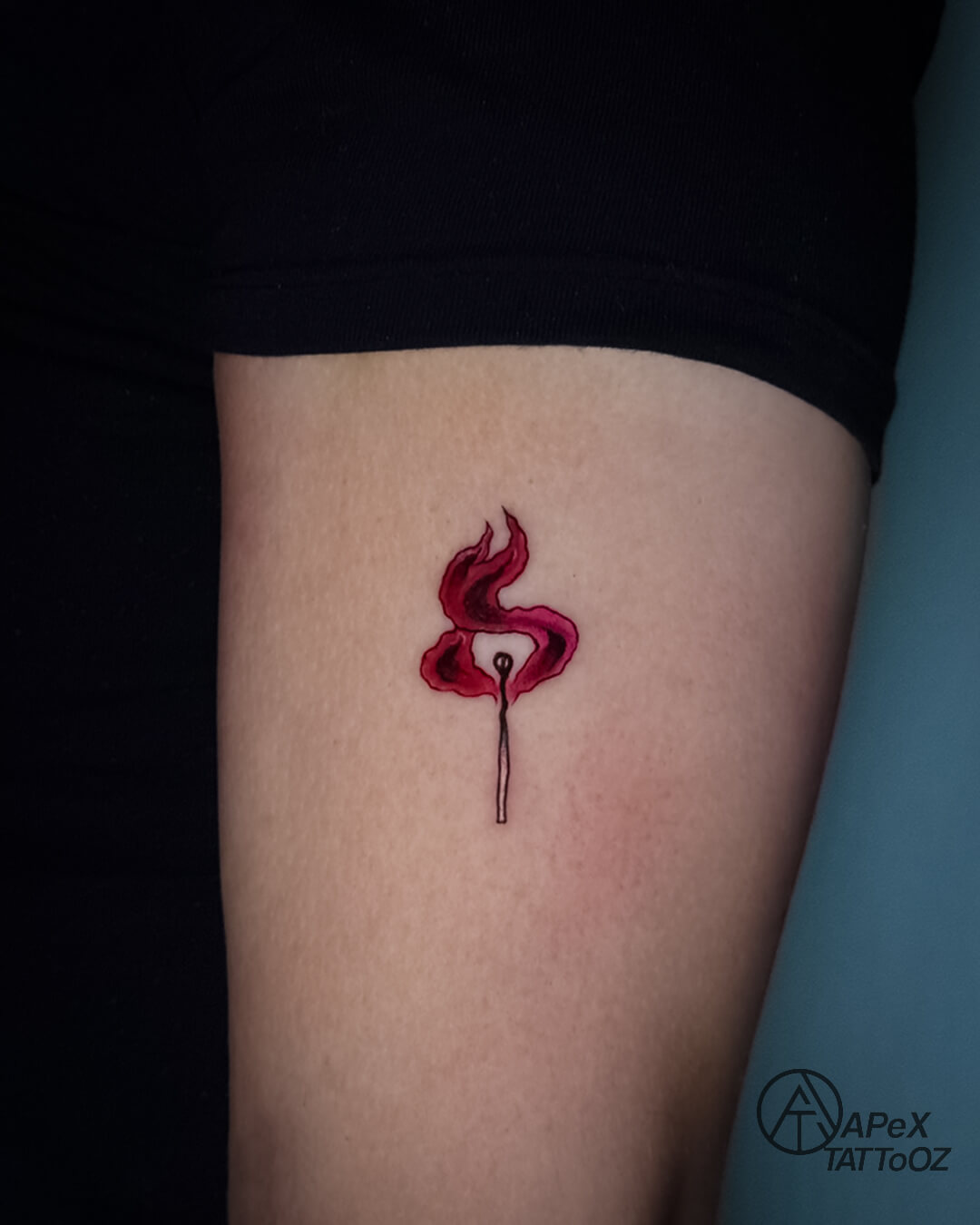
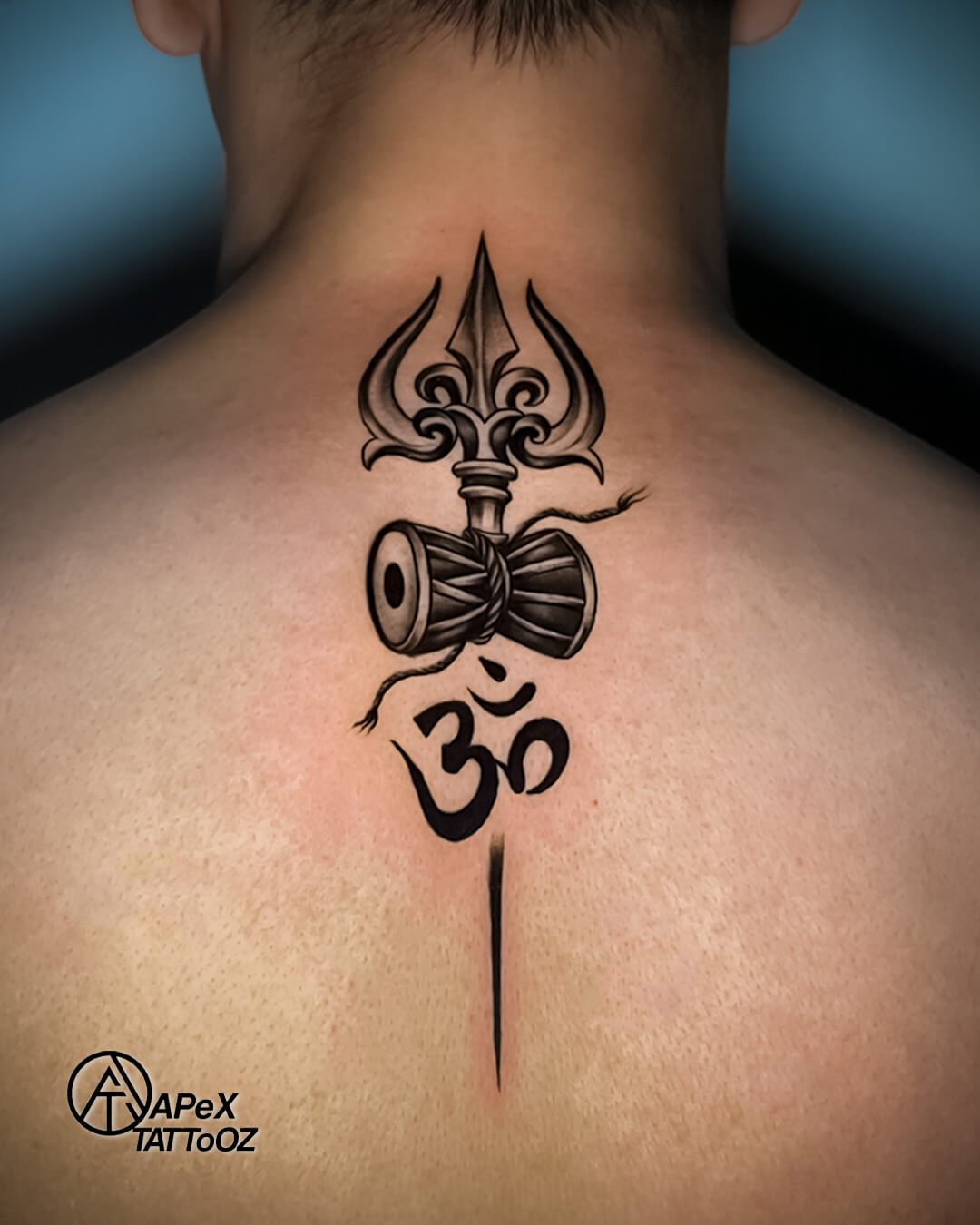
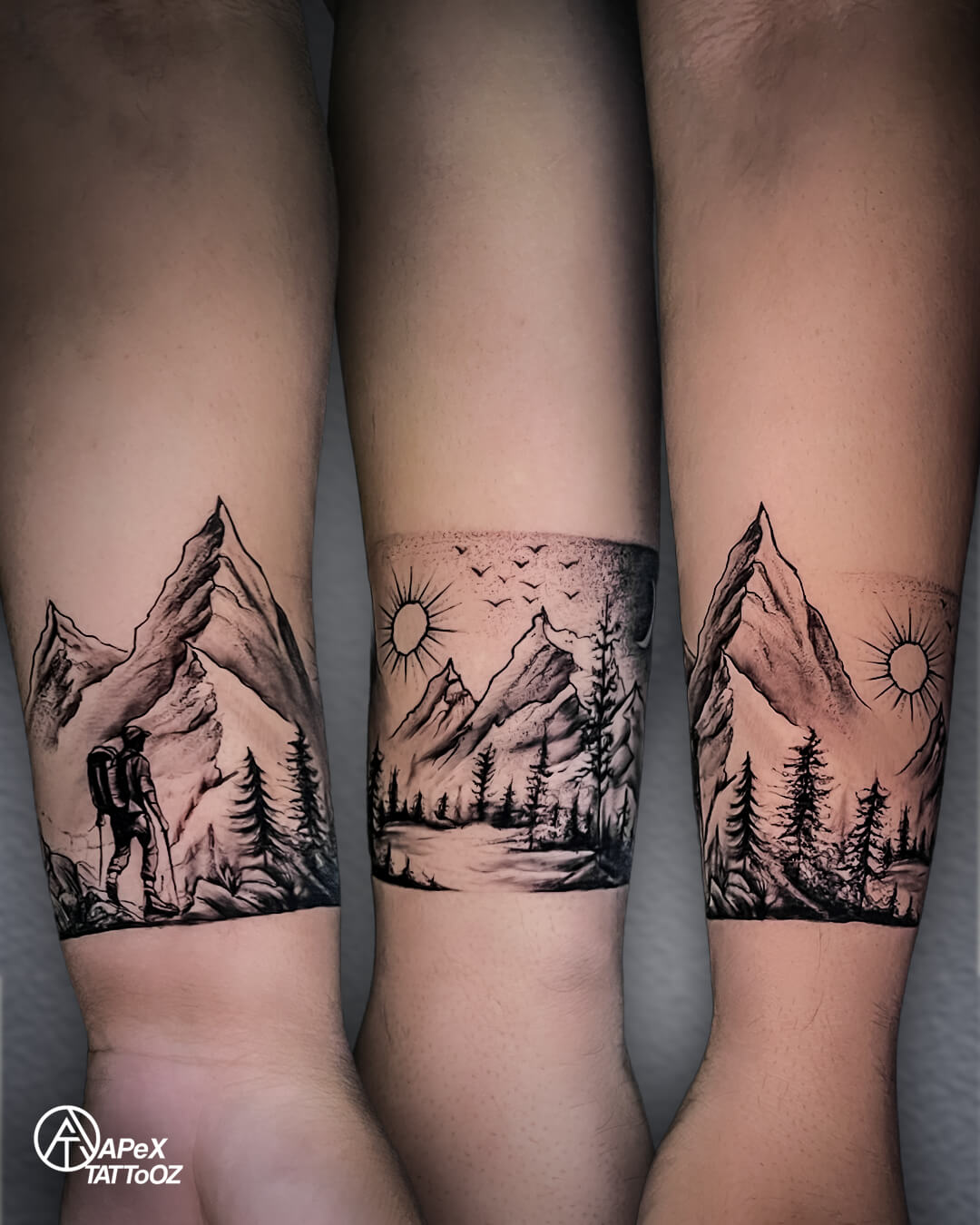
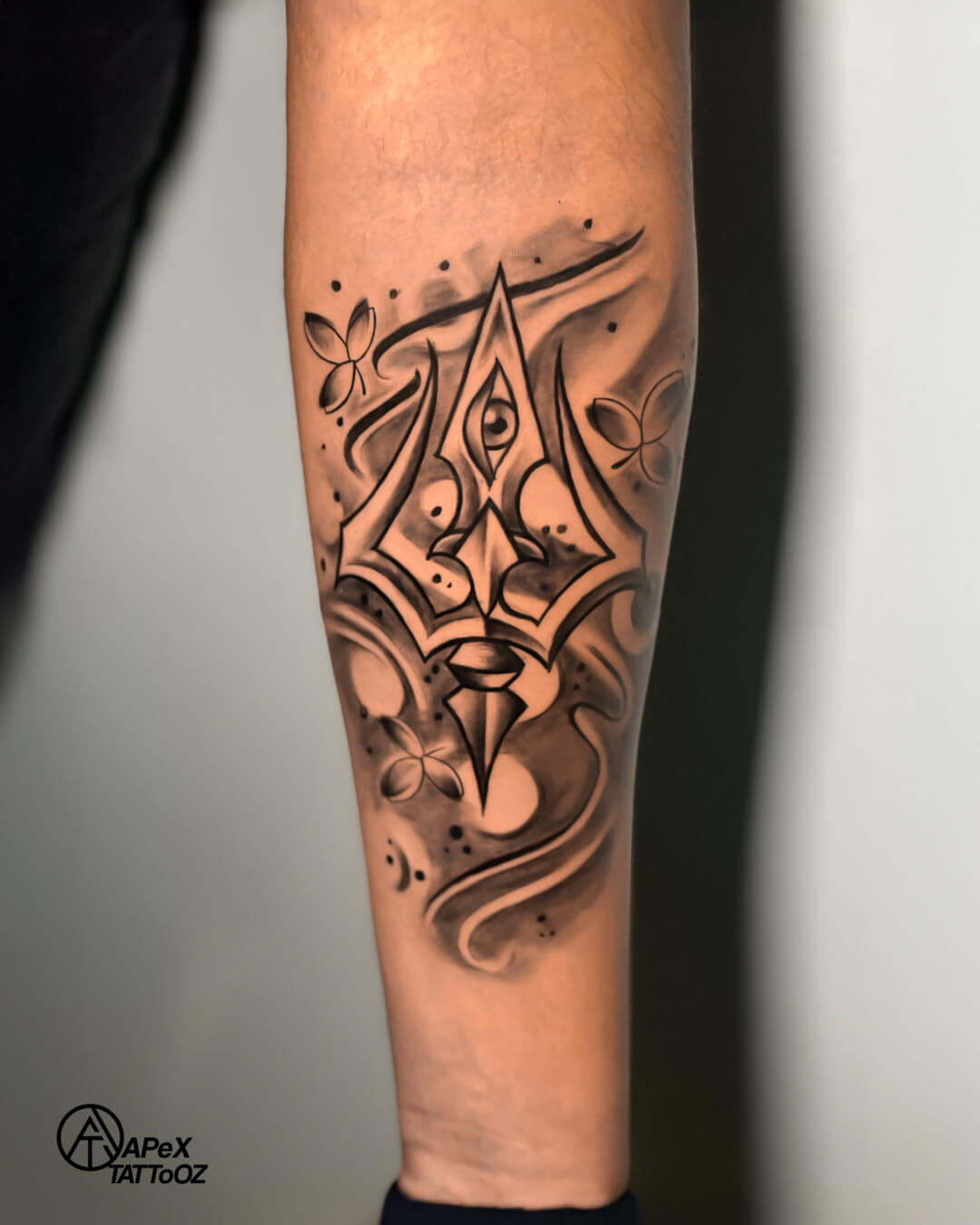
Real Apex work: compare the shape, not an assumed measurement
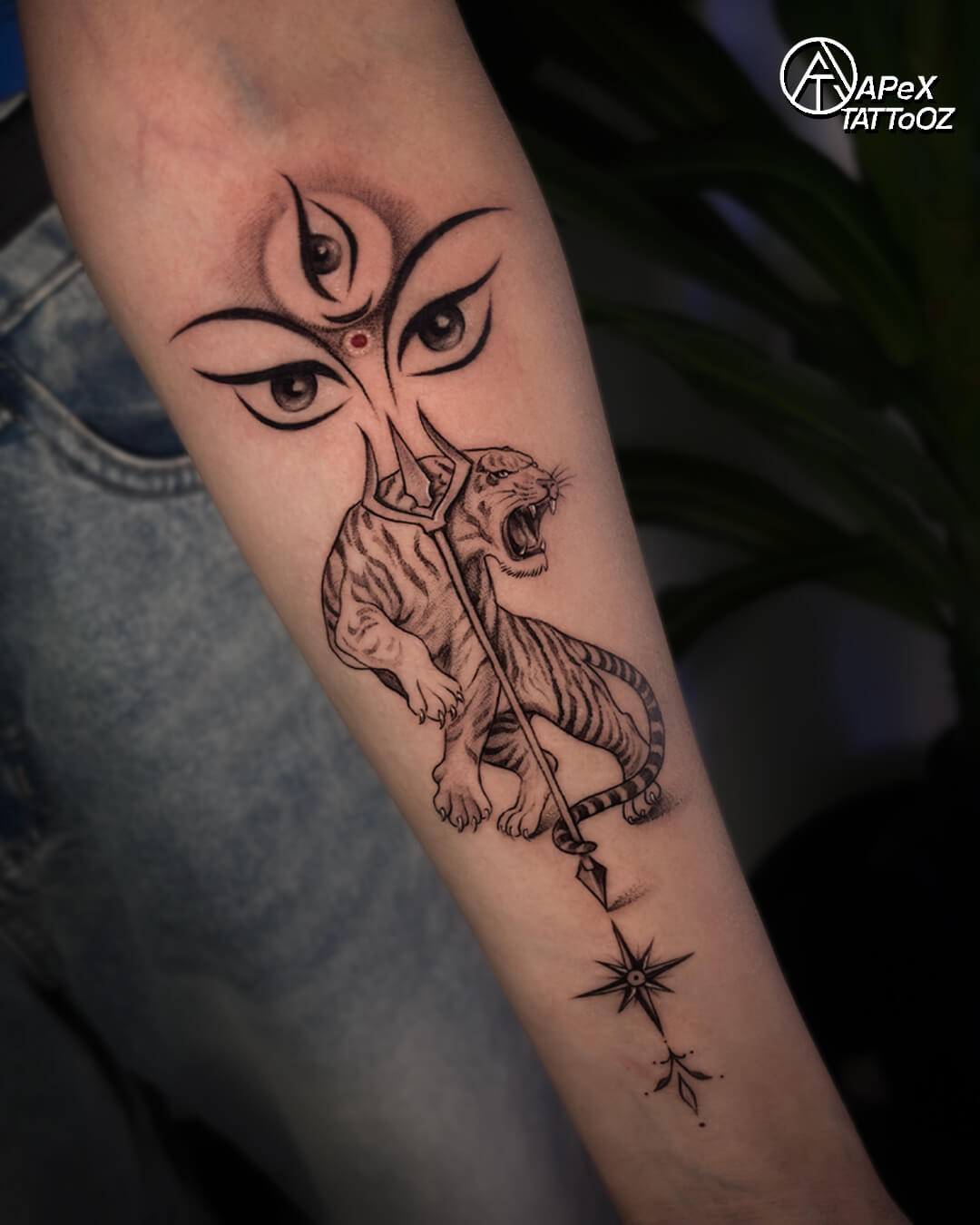
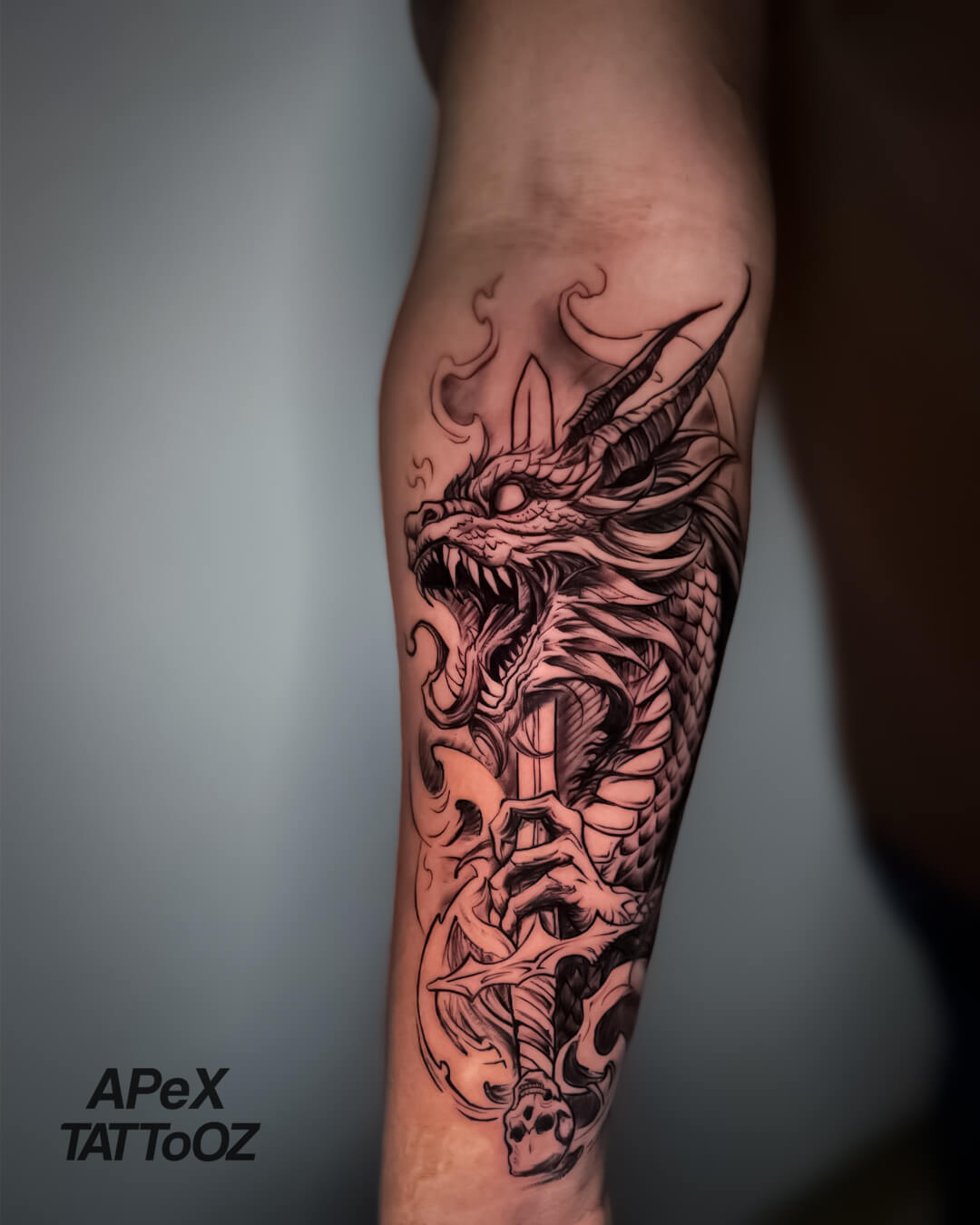
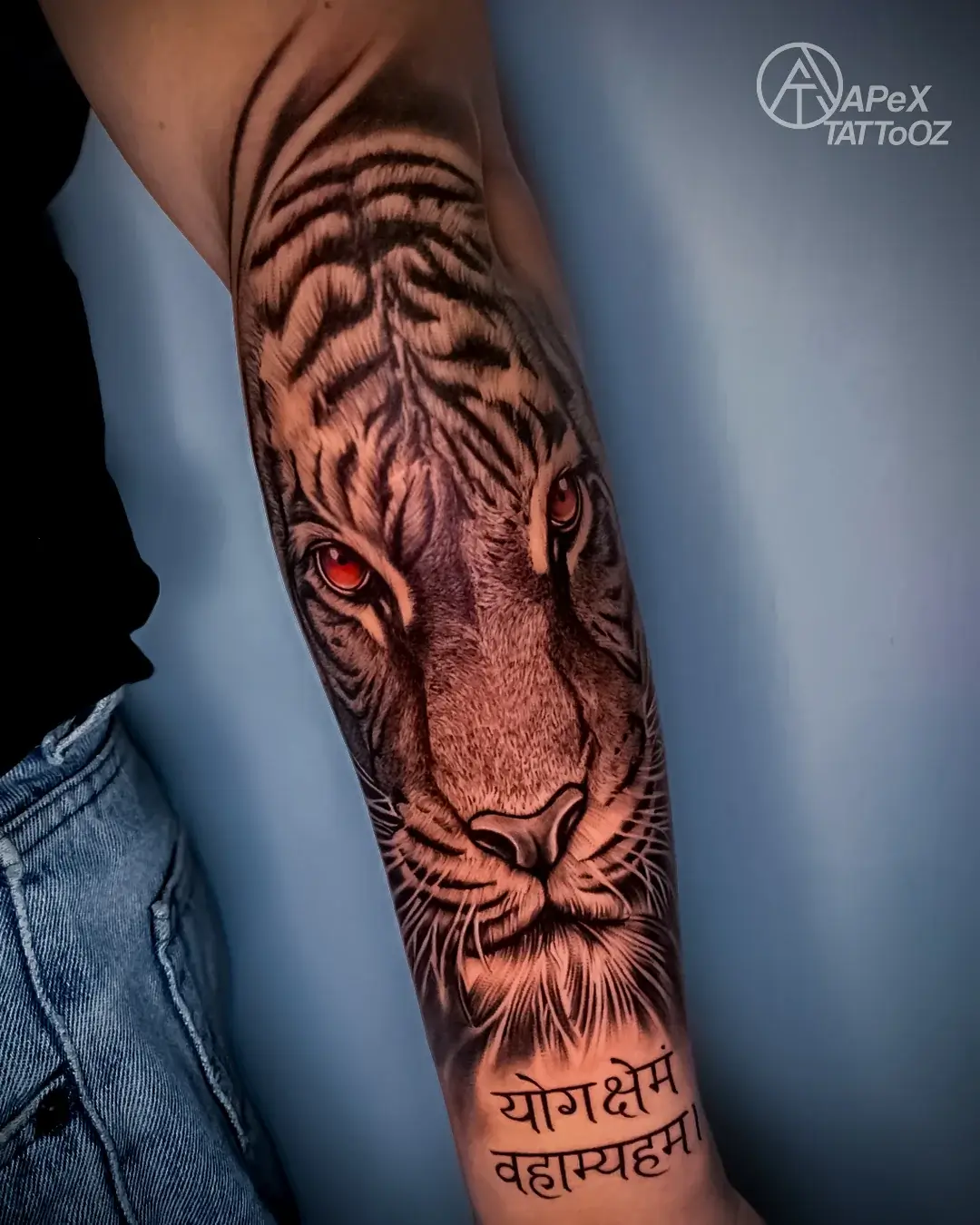
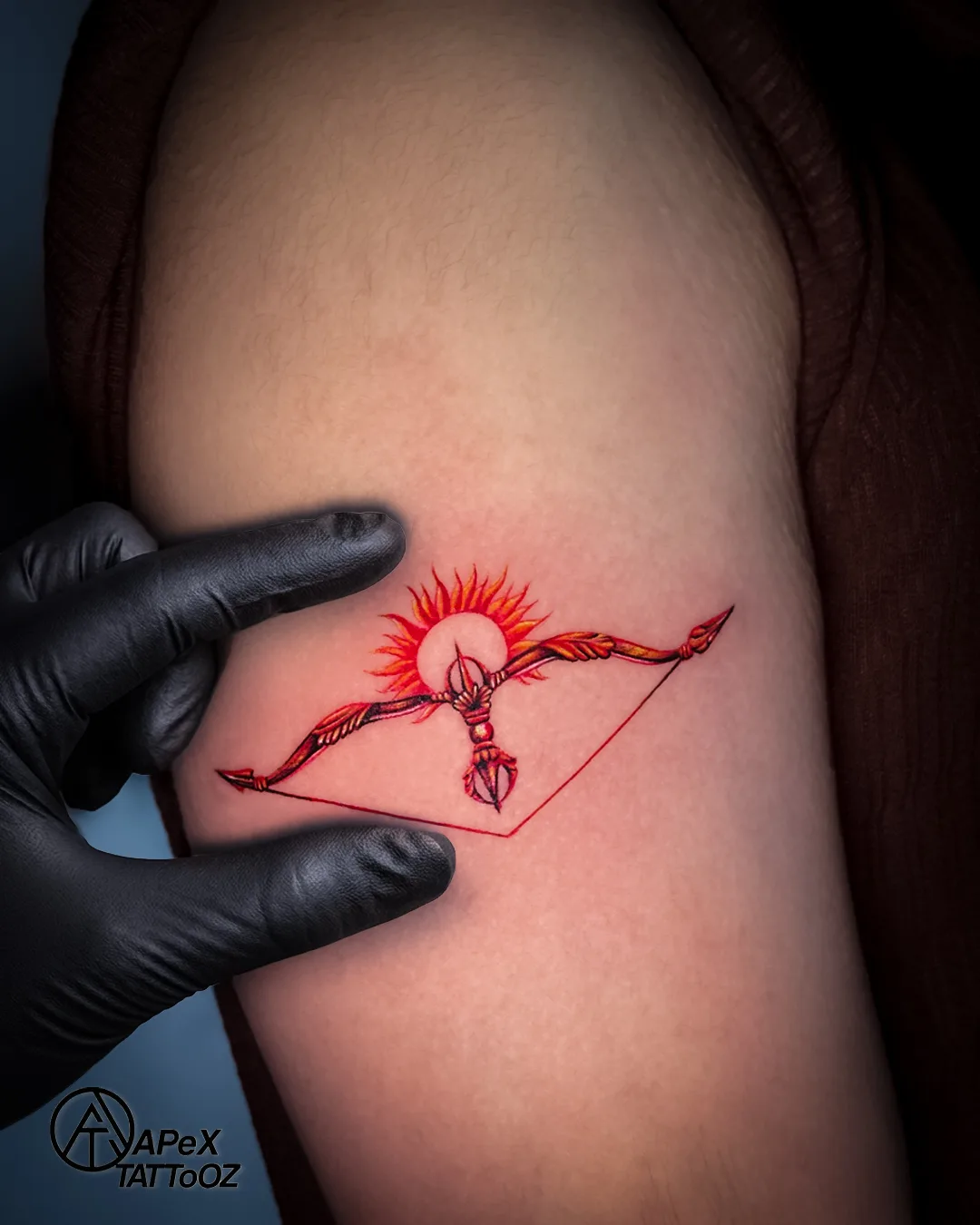
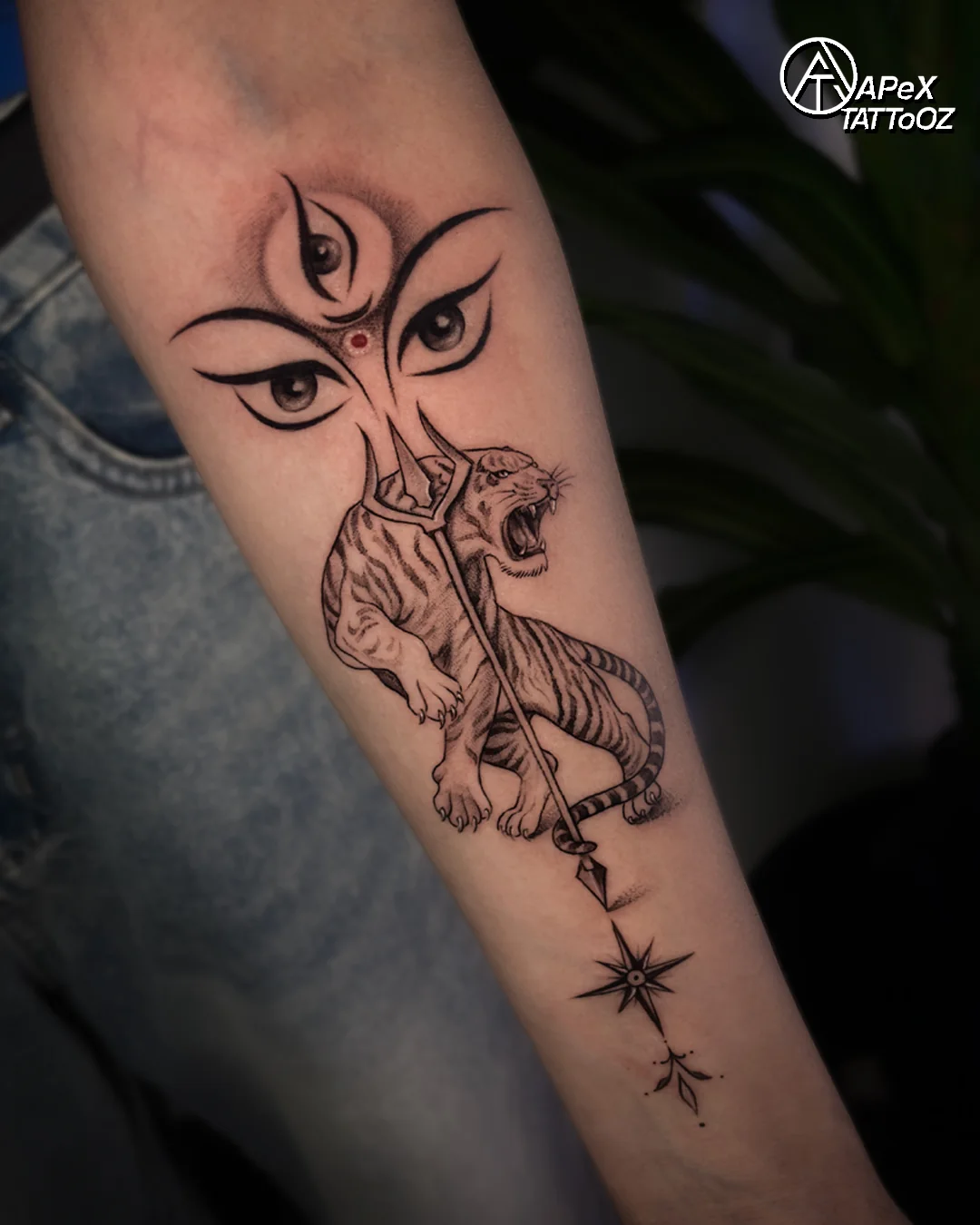
These photographs show existing Apex Tattooz portfolio work, not generated designs. They illustrate different compositions; the exact dimensions are not documented here, so do not use the photographs as a measuring scale.
What to send for a more useful consultation
You do not need a perfect brief. A clear starting point helps us understand what matters to you.
- Your main reference image and what you like about it.
- The intended body placement and approximate height × width.
- The details you do not want to lose.
- Whether you are open to a different size or a simpler composition.
- Your preferred appointment period and budget range, if you have one.
You can write: “I am planning a floral tattoo on my outer forearm, around 12 cm tall × 5 cm wide. I like the shape of these leaves, but I am open to changing the size. Can we discuss the best layout and a quote?”
If you share a placement photograph, show only the area needed and avoid including your face or identifying details unless necessary. You can also discuss placement in person.
Questions to ask before approving the size
- Does this size give the important details enough space?
- Would a different orientation suit the placement better?
- What changes if we make the design smaller?
- Can I check the proposed placement at its actual size before we begin?
- Is the quote for this exact design and size, and what does it include?
Common tattoo-size questions
Is a 4-inch tattoo small or large?
That description alone is incomplete. Its width, placement and composition affect how it looks. Send both dimensions instead of relying on a size label.
Can I measure a tattoo from someone else’s photograph?
Not accurately without a reliable scale. Camera angle, cropping and body proportions can be misleading. Use the photograph as a style reference and measure the space on your own body separately.
Does a larger tattoo always cost more?
Size is one part of a quote, but detail and the work involved also matter. Compare quotes for the same brief rather than treating size alone as a price calculator.
Bring the idea. We will help you work through the size.
Your tattoo deserves more thought than a quick guess on a phone screen. At Apex Tattooz, we want to understand the idea, the placement and the details that matter to you. Bring your reference and approximate measurements, then use the consultation to refine them together.
Find Apex Tattooz in Delhi and plan your consultation. You do not have to arrive with every answer—just a starting point we can build on.