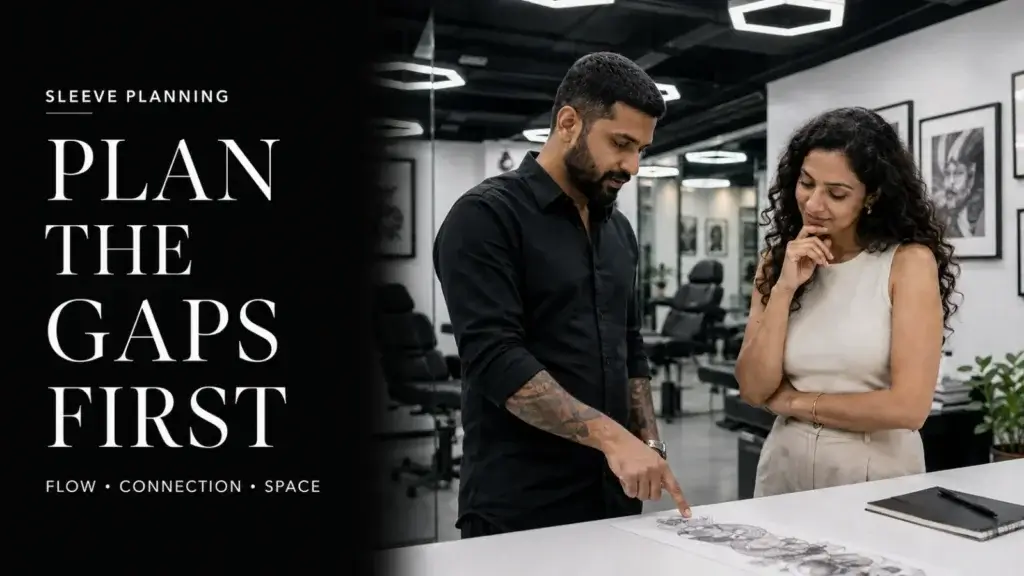
Building a sleeve around existing tattoos starts with listening to what is already there. Some pieces may be important exactly as they are. Others may feel isolated, and some spaces may be worth keeping open. The first decision is not which filler to choose—it is what must stay and what may change.
This guide helps you prepare a sleeve brief for Apex Tattooz in Delhi. It focuses on connecting an existing collection, not choosing a full-arm design from a blank canvas or promising that every tattoo can be covered.
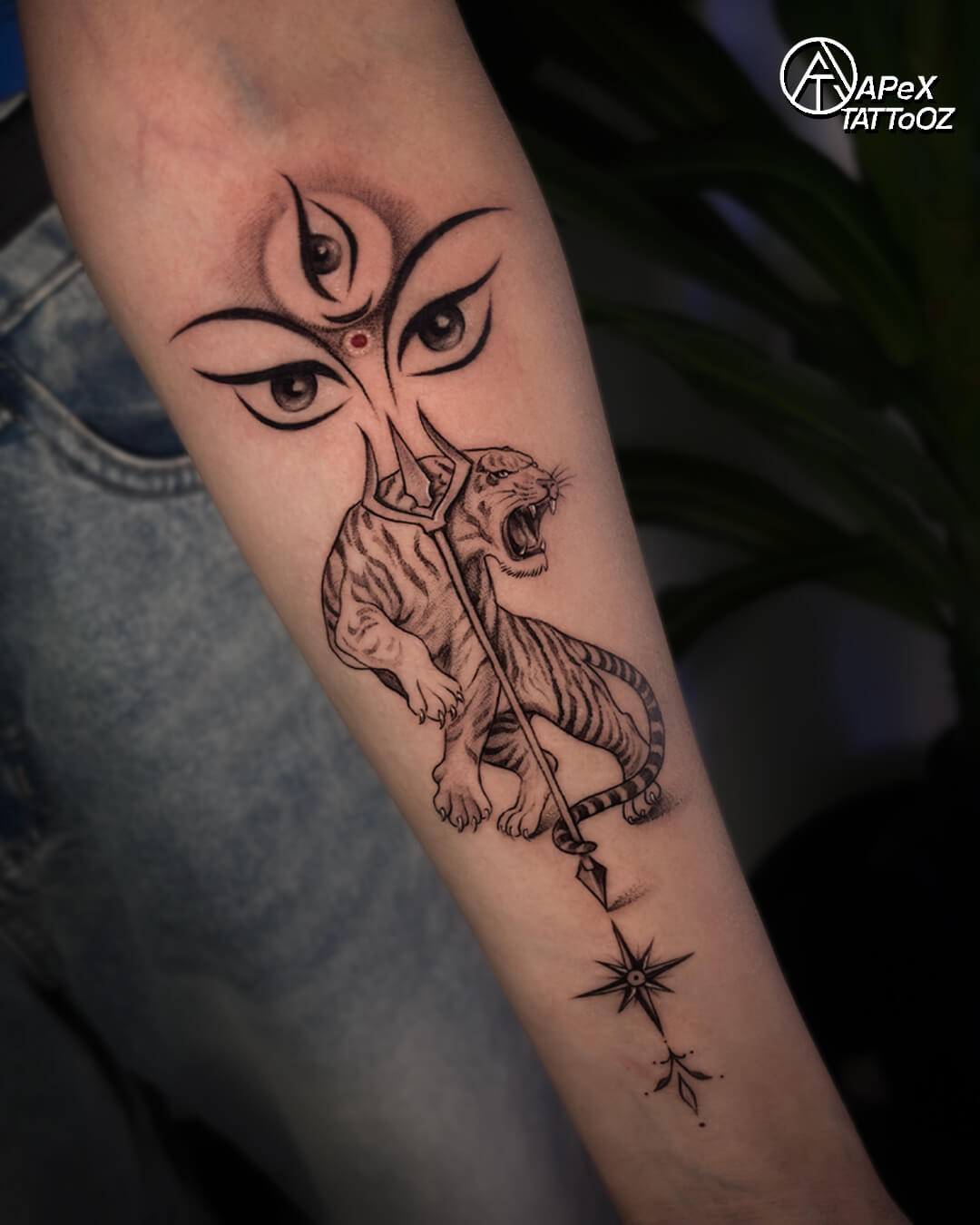
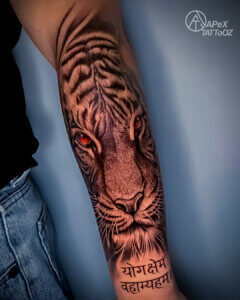
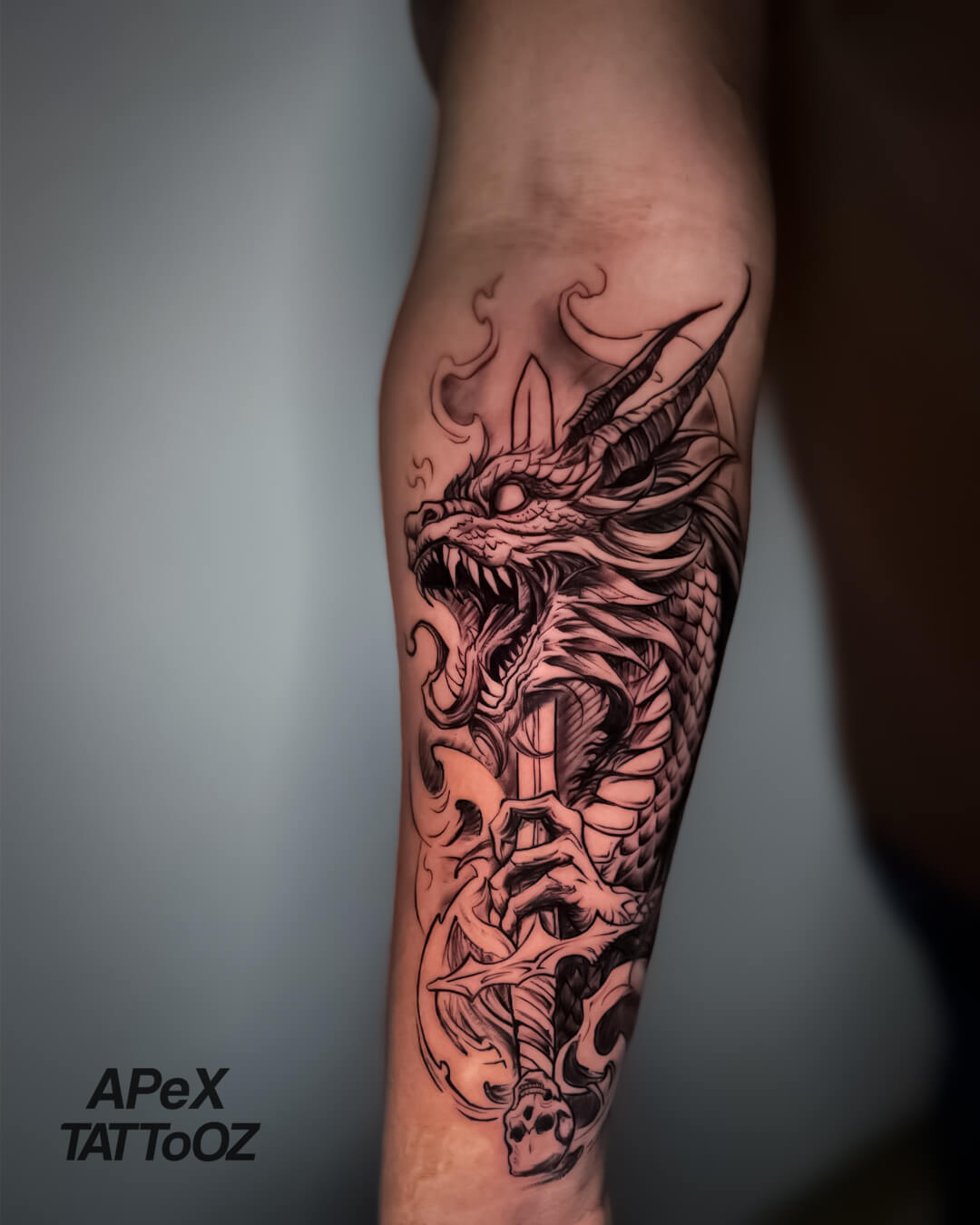
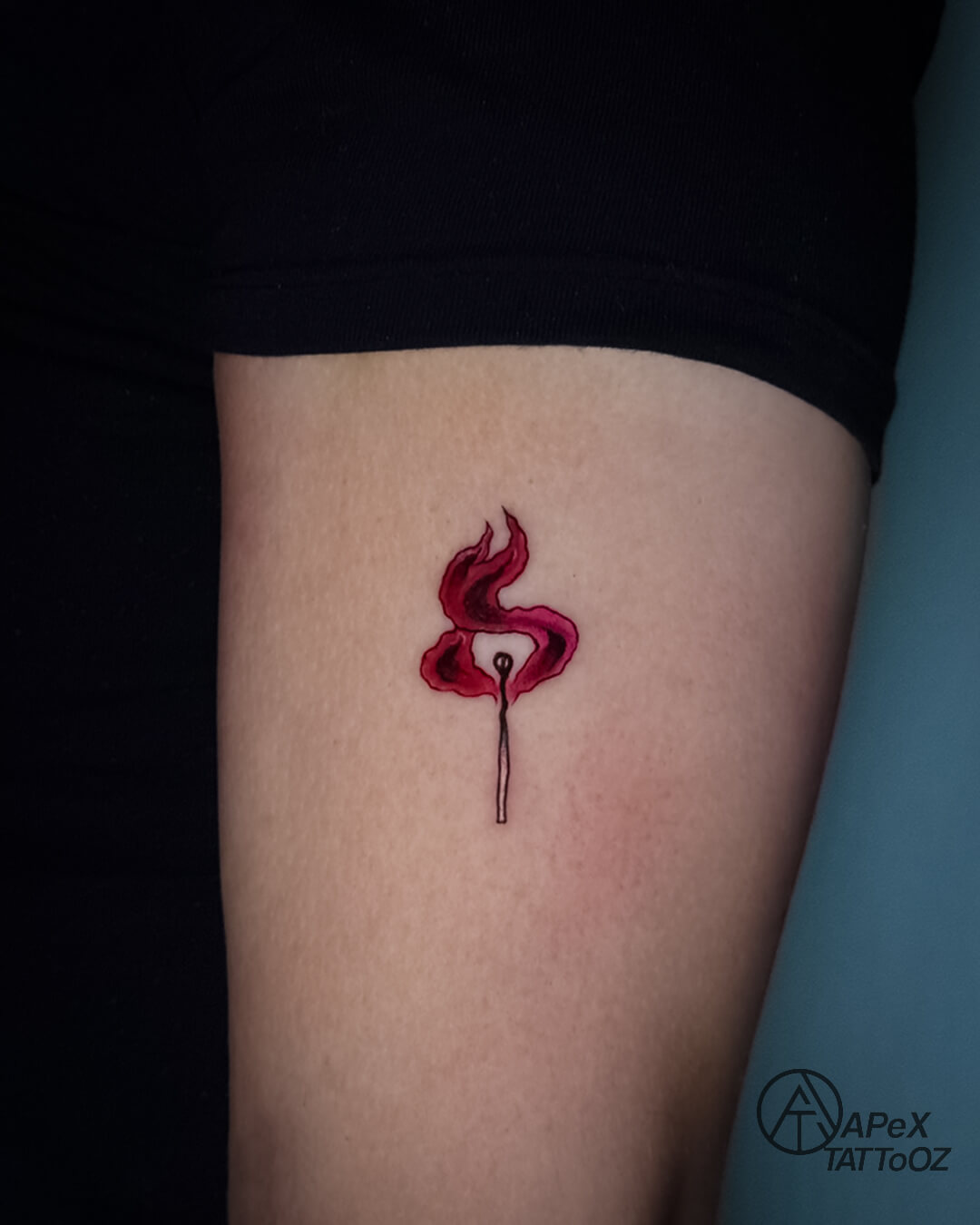
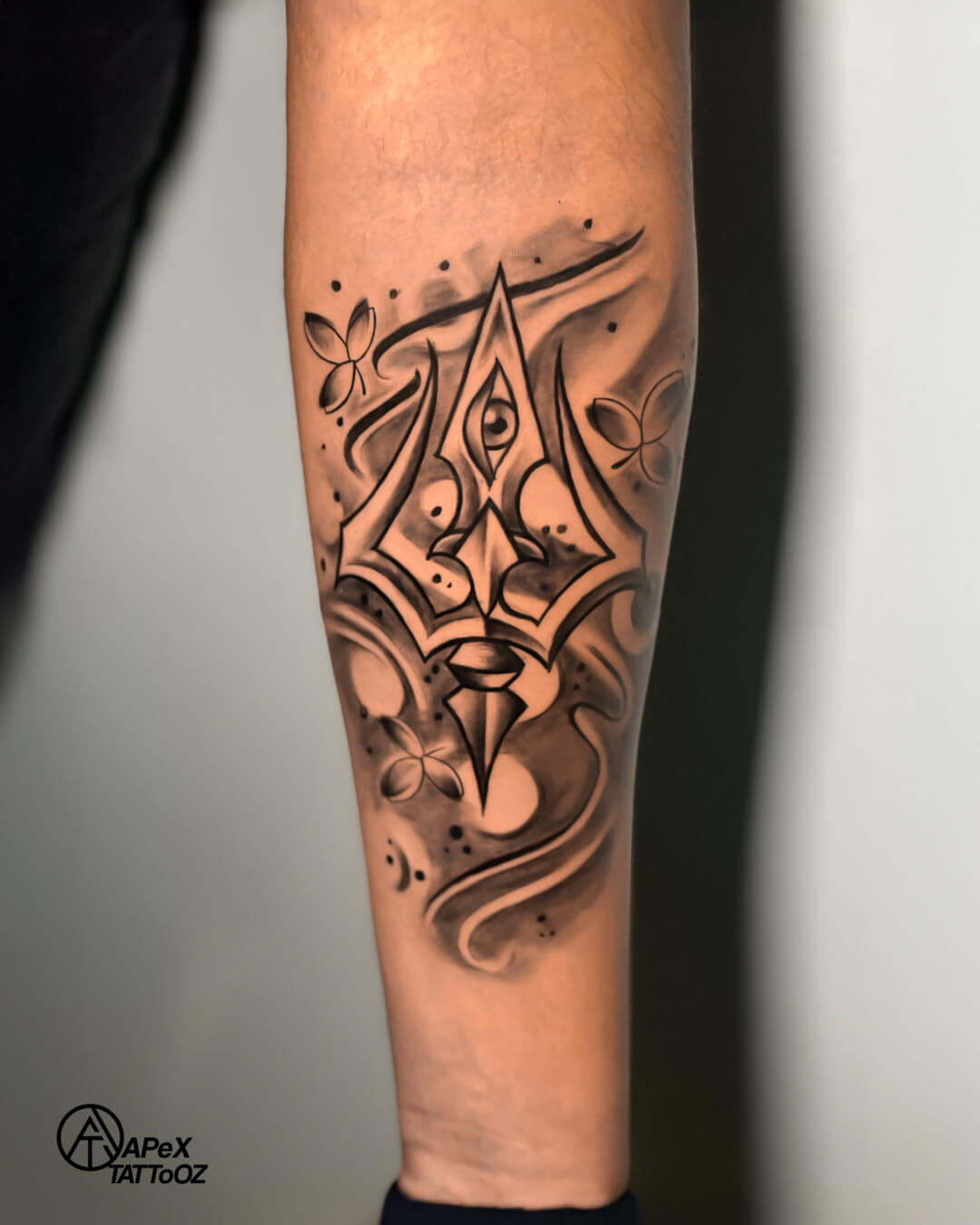
The cover is an AI-generated educational concept. The real Apex tattoo shown below is a separate portfolio example, not evidence of one client’s sleeve transformation.
Map the whole arm before adding another piece
Take clear views of the front, back and both sides with the arm relaxed. Include the shoulder, elbow and wrist boundaries you want to discuss. A single photograph of the most visible side leaves out spaces that become important when the arm turns.
Write a short list beside the photos: pieces to preserve, pieces you are unsure about and areas that must remain clear. If you want an existing tattoo changed, say so explicitly. Do not assume a new sleeve plan automatically includes reworking every old piece.
Choose between connection and a collection
A sleeve does not have to be one continuous image. You might prefer distinct tattoos with breathing room, or a connected composition with shared movement and background. Both are design choices. The useful question is which approach feels like you and works with the existing positions.
- A collected approach: keep individual pieces distinct and make spacing intentional.
- A connected approach: discuss a shared visual direction, recurring shapes or restrained background.
- A mixed approach: connect selected areas while keeping an important piece independent.
Bring examples of the overall arrangement you like, not just individual subjects. Explain whether you like their openness, contrast or direction. That is more helpful than asking to copy another person’s sleeve.
Decide where the eye should go first
If every space has an equally large subject, the arm can feel busy without a clear centre of attention. Pick the existing or proposed piece you most want people to notice. Then discuss how neighbouring shapes can support it rather than competing for the same attention.
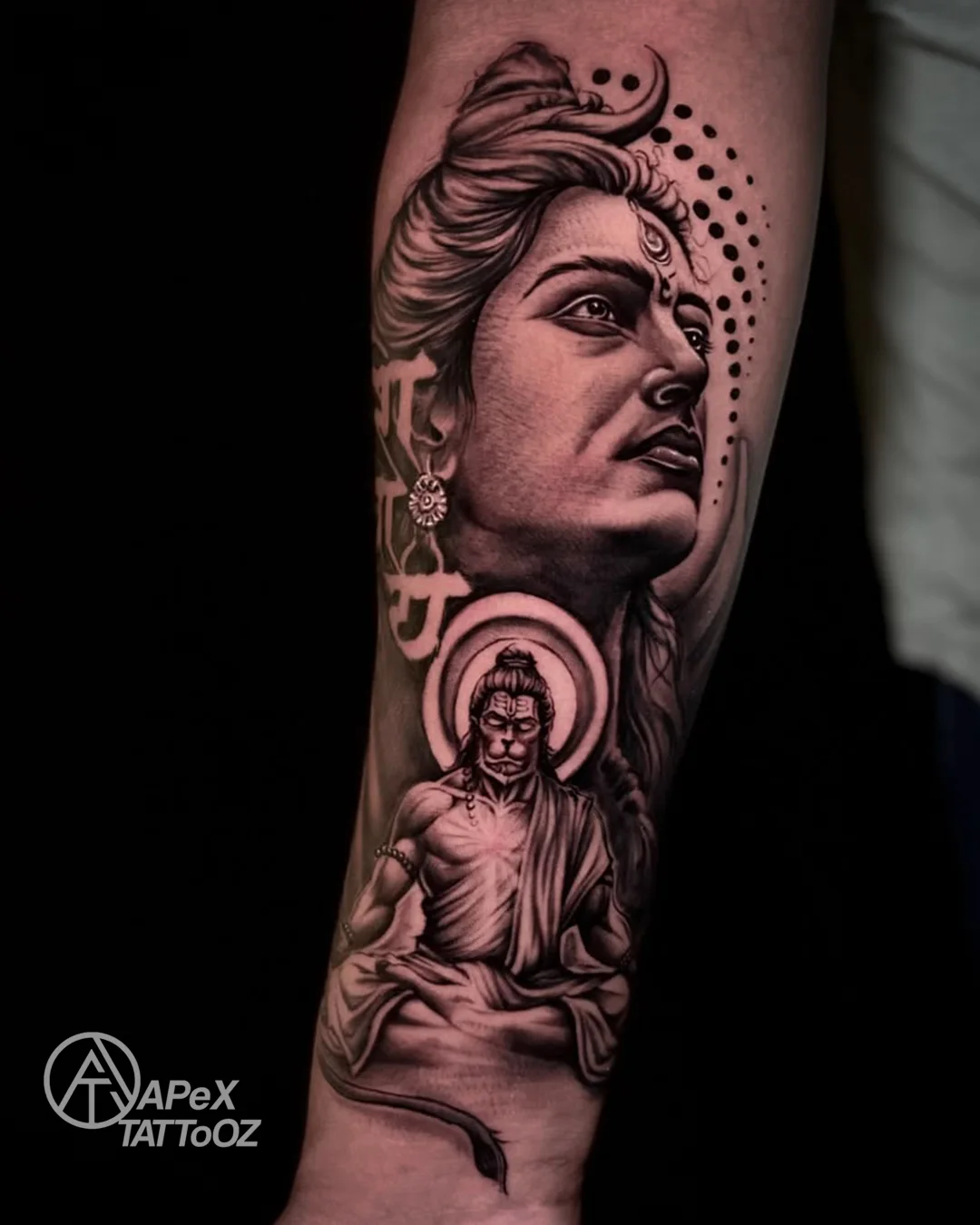
Here the larger face and smaller figure create a visible hierarchy. The useful lesson is the relationship between elements, not that your sleeve should use these subjects. More examples are collected in our Hindu mythology tattoo portfolio.
Do not treat every gap as a problem
A narrow gap may help separate two pieces. Filling it can change the appearance of both. Before choosing smoke, shading, patterns or another small subject, ask whether the space is doing useful work already.
Discuss the density of the whole arm. Connecting pale, delicate work with a very dark background is a significant visual decision, not just a way to finish quickly. Ask to see how the proposed connection relates to existing lines and dark areas.
Plan for the arm as it moves
Look at the idea with the arm relaxed and bent. Subjects near the elbow, inside arm and wrist will be seen from different angles. A design that looks connected in one flat photograph may read differently in everyday posture.
Be clear about clothing boundaries, wrist coverage and whether the design should extend onto the hand. These are personal choices that should be part of the brief from the beginning. Our measurement guide helps describe the approximate area without pretending the arm is a flat rectangle.
Separate sleeve planning from cover-up assessment
Connecting around an old tattoo and covering it are different tasks. If a piece needs assessment, prepare the cover-up consultation photos and discuss feasibility before treating that area as available for anything you choose.
Agree on the overall direction before committing to a sequence of additions. Ask which decisions need to be settled now and which can remain flexible. Session count, timing and cost depend on the actual scope; a sleeve photograph cannot supply those answers for a different arm.
Your sleeve consultation brief
Bring all-around photos, your keep/change list, preferred visual density, clothing boundaries and a few composition references. Include your budget expectations so the discussion can be practical without promising a finished sleeve for an arbitrary figure.
Discuss your sleeve with Apex Tattooz or explore our custom tattoo design service. The goal is an arm that feels deliberately planned—not simply an arm with no empty space.